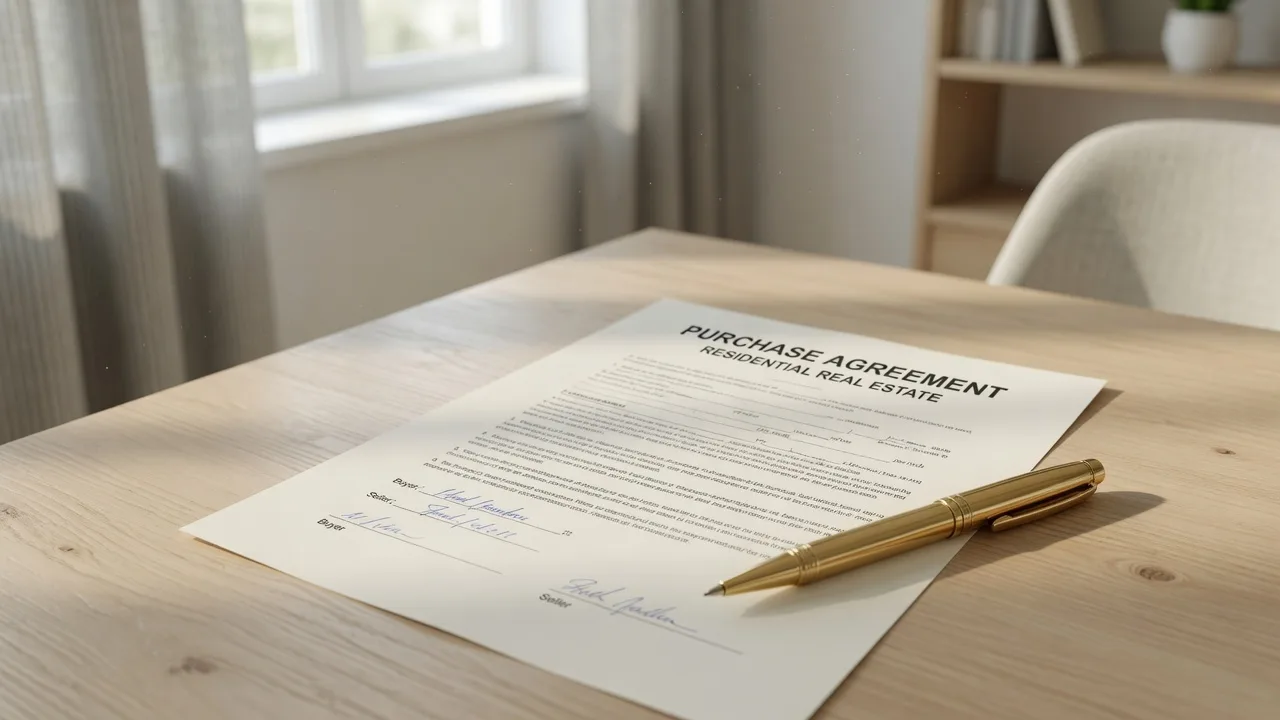
Conditional vs Firm Offers: What Hamilton Mountain Sellers Need to Know in 2026
By Tory Akene, REALTOR® | Real Broker Ontario Ltd. · · 7 min read
When you receive an offer on your Hamilton Mountain home, the first thing you'll notice is whether it comes with conditions or not. In Ontario real estate, the difference between a conditional offer and a firm offer can mean tens of thousands of dollars — and it can completely change your timeline, your risk, and your negotiating position. Here's what every Mountain seller should understand before they sign.
What Is a Conditional Offer?
A conditional offer means the buyer's commitment to purchase your home depends on certain requirements being met within a set number of days — typically 5 to 10 business days. Until those conditions are satisfied (or waived), the deal is not legally binding.
The most common conditions in Ontario include:
- Home inspection — the buyer hires a certified inspector to evaluate the property's condition
- Financing — the buyer must secure mortgage approval from their lender
- Sale of buyer's property — the offer depends on the buyer selling their current home first
- Review of status certificate — common for condominiums, allowing the buyer's lawyer to review the condo corporation's financial health
Each condition includes a deadline. If the condition isn't met or waived by that date, the buyer can walk away and the deposit is returned. This is the buyer's safety net — but it creates uncertainty for you as the seller.
What Is a Firm Offer?
A firm offer has no conditions. The buyer is committing to purchase your home as-is, with the deal becoming legally binding the moment you both sign. There's no inspection period, no financing contingency, and no way for the buyer to back out without legal consequences.
On the Hamilton Mountain, firm offers are common when the market is competitive — when multiple buyers are competing for the same property and want to strengthen their position. They can also appear when a buyer is purchasing with cash or has already been pre-approved with strong financing.
From a seller's perspective, a firm offer provides certainty. You know the deal will close (barring rare legal issues), and you can plan your move without the anxiety of waiting for conditions to be met.
The Real Risk of Conditional Offers
The biggest concern with a conditional offer isn't that the buyer is being difficult — it's that the deal might fall apart. According to Ontario real estate data, roughly 15–20% of conditional offers in Ontario don't close. That can happen because:
- •The home inspection reveals problems the buyer isn't willing to accept
- •The buyer's financing falls through — the lender's appraisal comes in low, or the buyer's financial situation changes
- •The buyer's own home doesn't sell within the agreed timeframe
When a conditional deal falls apart, your home goes back on the market with a "stigma" — other buyers and agents may wonder what went wrong. In the worst case, you've lost weeks of market time and may need to adjust your price.
That said, the vast majority of conditional offers in the Hamilton Mountain market do close. The key is understanding what you're agreeing to and being prepared for the negotiation that may follow.
How to Protect Yourself with a Conditional Offer
Not all conditional offers are created equal. Here's how to reduce your risk when you accept one:
Negotiate shorter condition periods. A buyer asking for 10 business days for a home inspection is standard, but if your market is active, you can negotiate down to 5 or 7 days. Shorter timelines mean less time in limbo.
Ask for an escape clause. An escape clause (sometimes called a "kick-out" clause) allows you to continue marketing your home and accept another offer. If a better offer comes in, you can give the original buyer a set period — often 24 to 48 hours — to waive their conditions and go firm, or walk away. This is a powerful tool for sellers, and it's standard in Ontario purchase agreements.
Review the offer's deposit. A larger deposit signals a more committed buyer. On the Hamilton Mountain, where the average home price sits near the $740,000 range, a deposit of $15,000–$25,000 is typical. A buyer offering $5,000 might be less motivated to see the deal through.
Consider a pre-listing inspection. One of the best ways to protect yourself against conditional offers falling apart is to get your own inspection before you list. A pre-listing inspection gives you a clear picture of your home's condition, lets you address issues proactively, and provides transparency to buyers — which can reduce their motivation to renegotiate after their own inspection.
When Should You Push for a Firm Offer?
There are times when insisting on a firm offer makes sense — and times when it doesn't. Consider pushing for firm when:
- •You have multiple offers and one is significantly stronger
- •The buyer is purchasing with cash or has unusually strong financing
- •You've already completed a pre-listing inspection and can confidently sell as-is
- •You need certainty for your own purchase or relocation timeline
But in most normal market conditions on the Mountain, insisting on firm offers can scare away good buyers. Most buyers — especially first-time buyers — need financing conditions and inspections to protect themselves. A reasonable conditional offer from a well-qualified buyer is often worth more than a firm offer from a weaker one.
What the Hamilton Mountain Market Looks Like Right Now
As of summer 2026, the Hamilton Mountain market is balanced but leaning in favour of well-prepared sellers. The MLS® HPI benchmark price sits near $744,000, and homes are averaging 39 to 45 days on market. Inventory remains relatively tight, which means buyers who find the right home are often willing to make strong offers.
In this environment, I'm seeing more conditional offers come in with shorter condition periods — typically 5 to 7 business days — and buyers who are pre-approved and serious about closing. That's a positive sign for sellers, but it still pays to understand the difference between an offer that looks good on paper and one that will actually close.
Your listing strategy should account for both types. A well-priced Hamilton Mountain home in good condition will attract strong conditional offers and, occasionally, firm ones. The goal isn't to avoid conditions entirely — it's to negotiate terms that protect your timeline and your bottom line.
The Bottom Line for Hamilton Mountain Sellers
A firm offer feels safer, but a well-structured conditional offer can be just as strong — sometimes stronger. The real question isn't "conditional or firm?" It's "Is this buyer qualified, motivated, and giving me reasonable terms?"
Every offer is different, and the right strategy depends on your specific situation, your home, and the market conditions at the time. That's where an experienced local agent makes all the difference — someone who can read the offer, read the market, and negotiate on your behalf to get you the best possible outcome.
Sources & Further Reading
- • Ontario Real Estate Association — Understanding Conditional Offers in Ontario
- • RECO (Real Estate Council of Ontario) — Buyer Inspection Rights and Options
- • RE/MAX Canada — What Happens After an Offer Is Accepted
- • Hamilton-Burlington Real Estate Board — Monthly MLS® Statistics, June 2026
Navigating offers on your Hamilton Mountain home?
Talk to Tory — she knows the Mountain market inside and out. Book a complimentary call to talk through your selling strategy, pricing, and how to negotiate the best terms.
Book a Free Call